

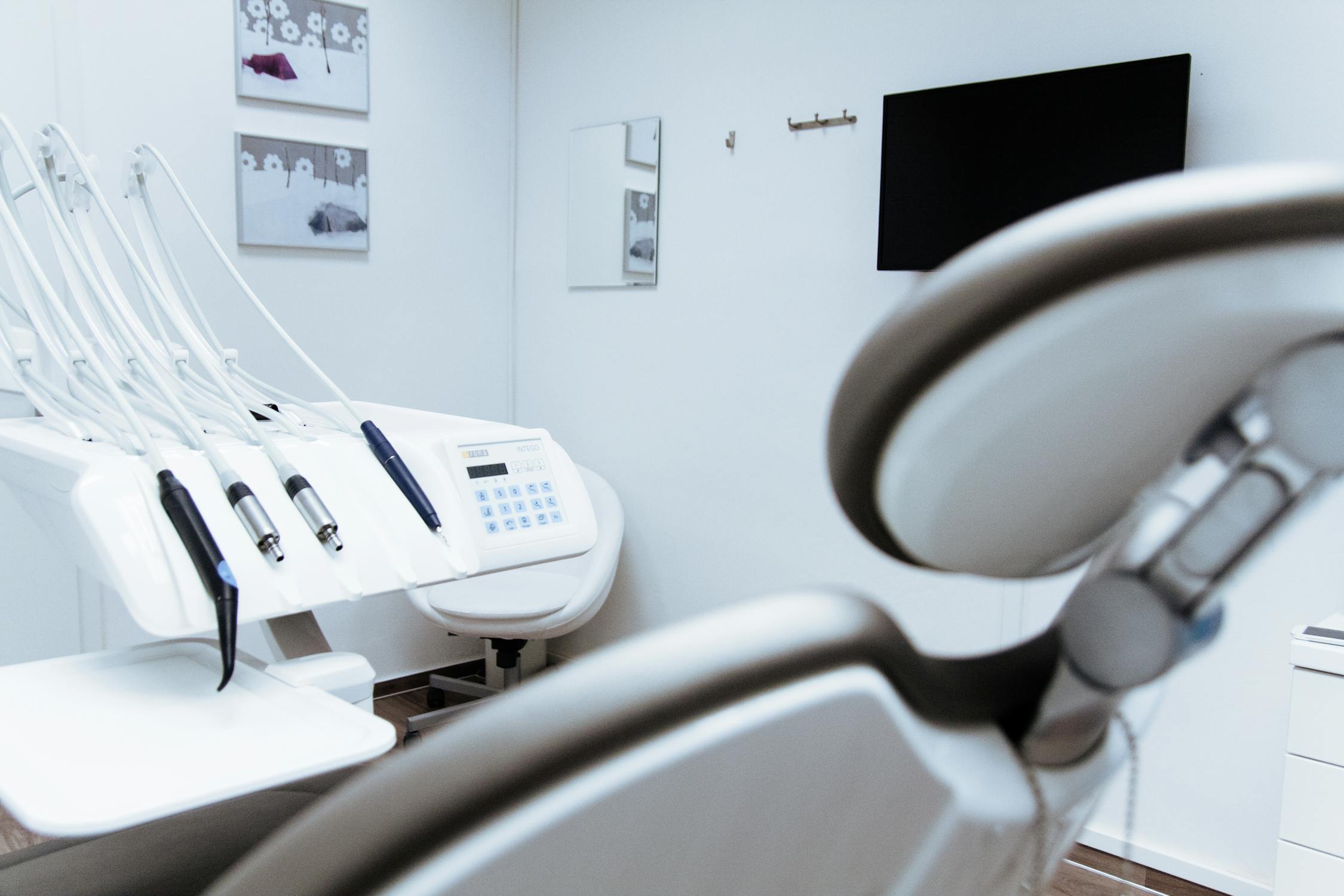
What Is Dental Marketing?
A Real-World Guide for Dentists Who Want to Grow
Dental marketing means everything your practice does to get found, earn trust, and keep your chair full. It includes your website, local SEO, ads, content, reviews, referrals, and even the vibes on your social pages.
In This Guide
What Is Dental Marketing (And What Does It Include)?
Dental marketing is how:
- people find you
- feel confident in booking with you
- remember you the next time someone asks for a dentist
It covers everything from your online presence to your patient experience and it starts with your website.
Your Website: The First (and Most Frequent) Impression
Your website isn't just there to look nice. It's where new patients decide if they trust you. That means it has to do more than list services. It needs to work.
When I audit dental sites, here's what I look for right away:
- Can someone book an appointment without digging for it?
- Are the services clearly explained, especially for people who are anxious or in a rush?
- Does the site load quickly, especially on mobile?
- And does it sound like a real practice, not a stock template?
If your website could be copied and pasted onto another clinic and still make sense, it's not personal enough. Patients want to feel like they've found their dentist, not just a dentist. That clarity builds trust before you even say hello.
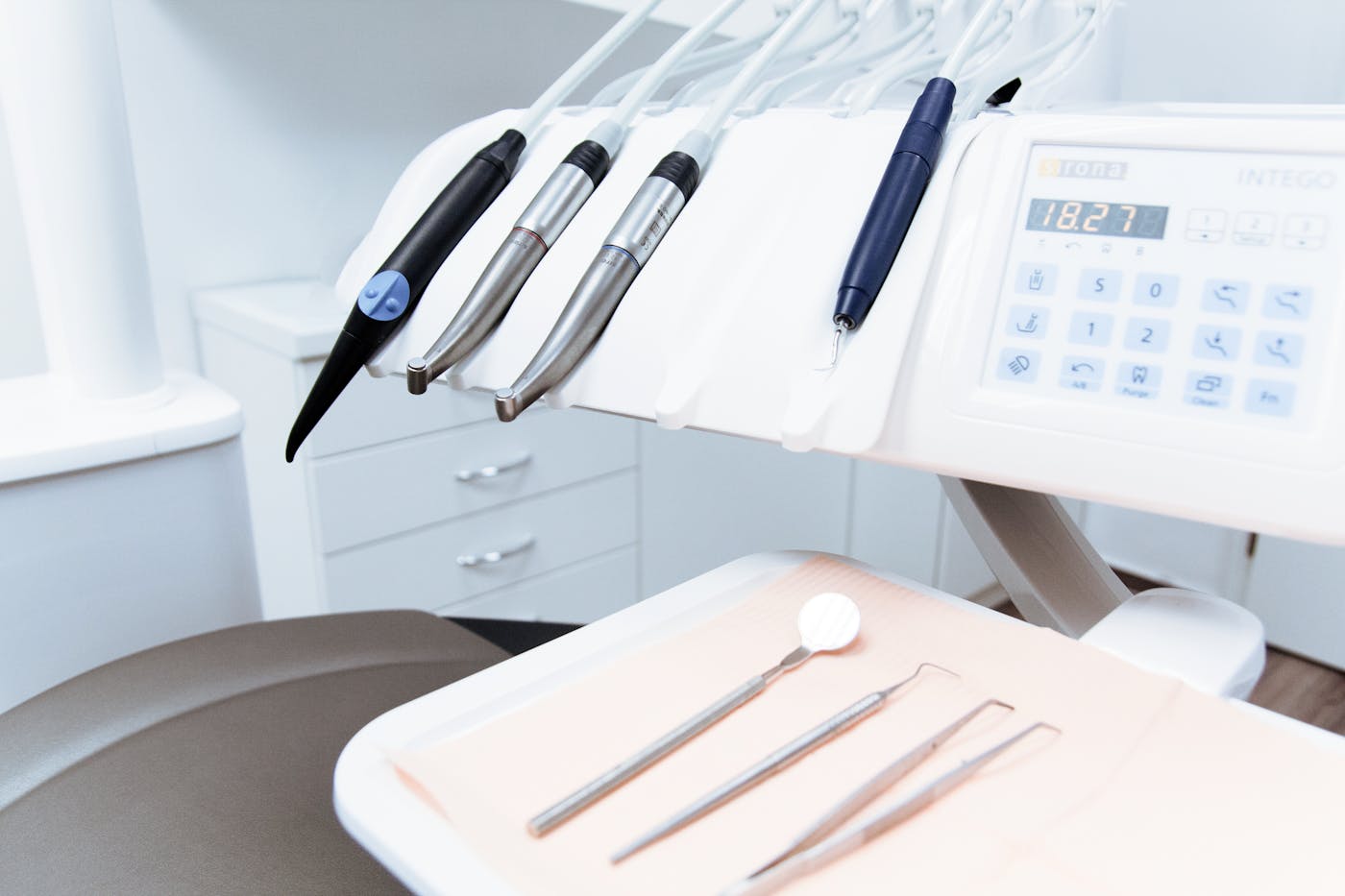
Local SEO & Your Google Business Profile: How You Actually Get Found
Before patients ever visit your website, they usually see your Google Business Profile.
That little box with your hours, phone number, reviews, and map pin? That's prime real estate, and it needs to be dialed in.
At minimum, you want:
Updated hours and contact info (double-check holiday schedules)
Real photos of your office and team (skip the stock smiles)
Clear service categories (family dentistry, cosmetic, emergency, etc.)
A short, helpful description written like you talk, not like a brochure
But don't stop there.
Local SEO is how you show up when someone types "dentist near me" or "kid-friendly dentist in [city]." You want your website and listings to include those exact phrases naturally: on your homepage, in your service pages, even in your FAQs.
If you've ever wondered how one practice shows up first on Google while others don't, it's because of structure. Google prioritizes businesses that are clear, consistent, and useful, and that includes getting backlinks from trusted local sites like school directories, chamber of commerce pages, or parenting blogs.
It's not flashy, but it works. And in marketing, that's the point.
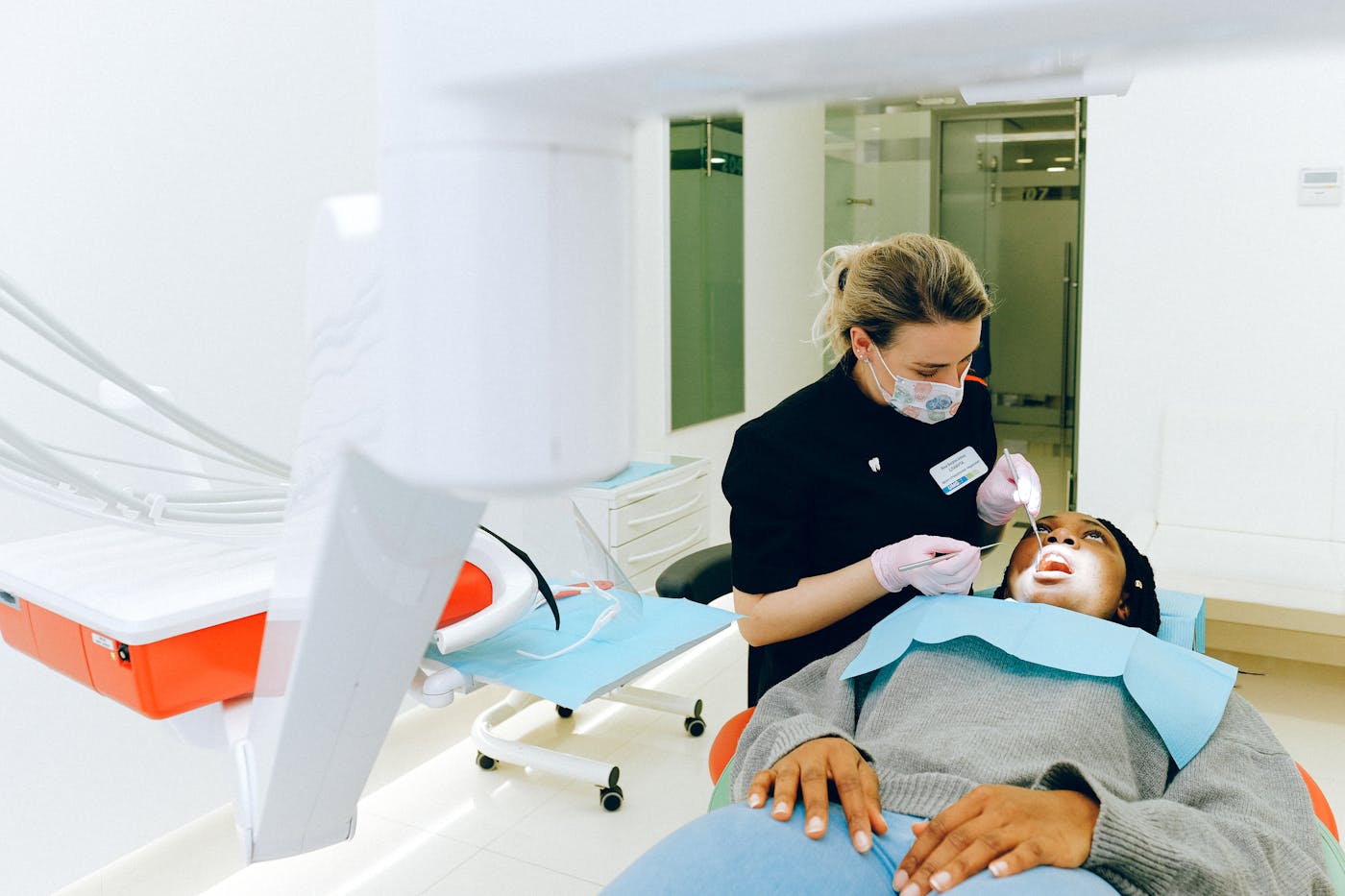
Reviews & Reputation: The Trust Test You Can't Fake
Before a parent calls your front desk or clicks "Book Now," they're reading reviews. It's part of the decision process.
Strong reviews make people feel safe. That matters when someone's choosing who gets to work on their teeth or their kid's.
Here's what to focus on:
- Make asking for reviews a habit. A quick text or email after an appointment works best.
- Don't overthink the ask. One simple line like "Glad everything went smoothly, mind leaving a quick review?" is enough.
- Prioritize Google, but don't ignore platforms like Healthgrades or Facebook, depending on your audience.
- Respond to reviews, especially the not-so-glowing ones, with a calm, helpful tone. It shows professionalism and care.
You don't need hundreds of five-star reviews overnight. You need a steady stream that reflects what patients really experience.
A few recent, honest reviews are more powerful than a dozen dated ones that feel filtered.
Paid Advertising: Show Up at the Right Moment
Running ads will get you seen by the right people at the right time. A parent searching "emergency dentist open now" isn't browsing for browsing's sake. They're booking. And that's where paid ads earn their keep.
Start with:
Monitor your cost per click, cost per new patient, and which keywords convert. Then keep adjusting.
When your message is strong and your offer makes sense, ads work surprisingly well.
Patient Communication: Stay Top of Mind Without Being Annoying
Most people don't think about their dentist until they need one. But a well-timed message? That can be the nudge that brings them back in.
Here's what works:
Appointment Reminders
By text or email (automated, friendly, and timely)
Post-Visit Follow-ups
Say "thank you" and invite feedback or a review
Monthly Emails
Tips, updates, or seasonal reminders (like back-to-school checkups)
Reactivation Texts
For patients who haven't booked in a while
The tone matters just as much as the timing. Keep it short, helpful, and human (edit your ChatGPT, please).
Think of it as a digital chairside manner. The kind that keeps people loyal and makes them more likely to refer.
In-Office Branding & Experience: Marketing Doesn't Stop at the Door
Everything a patient sees, hears, and feels once they walk into your office? That's marketing, too.
From the front desk tone to the art on the wall, your in-office experience either reinforces what they saw online or breaks the trust you built before they showed up.
What to think through:
Visual Consistency
Does your logo, color palette, and vibe match what people saw on your site or social?
Tone of Voice
Does your front desk greet people like your emails do? Friendly, clear, and helpful?
Environment
Are the little things taken care of? Clean space, clear signage, a waiting room that doesn't feel like a DMV?
Post-Visit Moments
Do you send a follow-up? Ask how it went? Offer a referral card?
People may come for care, but they stay (and refer) for how you made them feel. Every touchpoint, digital or in person, should feel like it's part of the same experience.
Digital vs. Traditional Dental Marketing: What Still Works in 2025
Dental marketing is not about choosing digital or traditional marketing. It's knowing when and how to blend them for maximum impact.
Digital Marketing
SEO
Your website and local profiles are optimized to appear exactly when patients search.
Prioritize keywords like "dentist near me" and use content that directly answers patient questions. Highlight your expertise and trustworthiness through authentic testimonials and professional credibility (EEAT principles).
Paid Ads
Strategically target patients actively searching or browsing.
Google Ads for intent-driven searches (e.g., "emergency dentist near me"), and Meta Ads (Facebook and Instagram) for broader awareness or special offers.
Social Media
Consistently share human, authentic, relatable posts.
Keep your practice visible without becoming overwhelming. Post helpful tips, real-team interactions, and patient experiences to stay top-of-mind.
Email Marketing
Build loyalty through consistent, timely communication.
Appointment reminders, post-visit follow-ups, and short monthly newsletters keep you relevant without cluttering inboxes.
Blog Content
Regularly updated, valuable blog posts that inform and educate.
Address common patient questions or concerns clearly and directly, positioning your practice as a trusted resource.
Traditional Marketing That Still Matters
Direct Mail
Thoughtful postcards or newsletters targeting specific neighborhoods can reach households not actively searching online but who appreciate tangible reminders or offers. This is especially important if your target audience is an older demographic.
Print Ads
Selectively placing ads in local newspapers or magazines can build credibility, especially in communities where these publications maintain trust and readership.
Local Sponsorships
Sponsoring community events, sports teams, or schools not only boosts visibility but also shows a genuine commitment to your community.
Referral Cards
Simple, tangible referral cards that current patients can easily share with friends or family. Pair these with a small, thoughtful incentive for maximum effectiveness.
Combining Digital and Traditional Marketing
A successful dental marketing strategy blends the visibility of digital with the trust-building power of traditional methods.
Digital tactics attract and nurture patients who are actively seeking care. Traditional strategies reinforce credibility, strengthen community ties, and reach segments that digital might miss.
Digital excels at immediate visibility and direct engagement.
Traditional excels at establishing local trust, particularly with demographics who prefer physical interactions or tangible communication.
Together, they ensure your practice is accessible, respected, and consistently top-of-mind, which is exactly where you want to be.
Ready to Transform Your Dental Marketing?
Get a personalized strategy that actually works for your practice.
Why Dental Marketing Matters (and What Happens When You Ignore It)
You might think, "I rely on word of mouth. Always have, always will." And yeah, word of mouth is powerful. But let's talk about what happens next.
Imagine your best patient raving about your practice at a weekend cookout. Their friend pulls out their phone and Googles your name. What do they see? A modern site that matches that glowing recommendation? Or something that looks like it hasn't changed since dial-up?
Referrals today always come with follow-up checks. People trust, sure, but they verify. And an outdated website or weak online presence can undo even the strongest recommendation.
Here's what marketing done right can actually do for your practice:
Reduce No-Shows
Automated reminders and clear communication keep patients showing up.
Improve Patient Loyalty
Staying in touch regularly means your patients think of you first.
Maximize Referrals
Make it easy (and rewarding) to recommend your practice with clear messaging and simple tools.
Fill Your Schedule
Smart targeting and timely outreach fill gaps before they become stress points.
What a Modern Patient Journey Looks Like (And Where Marketing Shows Up)
Let's break this down in a real-world scenario. Meet Sarah, a busy mom whose kid chipped a tooth at soccer practice.
The Search
She Googles "emergency dentist near me" while her kid holds an ice pack. Your site shows up clearly, with exactly the info she needs: location, hours, and a reassuring tone.
The Trust Check
Sarah checks your reviews. They're recent, real, and positive, exactly what she needs to feel confident.
The Reassurance
She notices you've answered her question ("What to do with a chipped tooth") in a helpful, easy-to-read blog post. It's like you already knew she was coming.
The Follow-Up
After a smooth first visit, Sarah gets an automated text reminding her to schedule a follow-up. She books immediately.
The Referral
A few days later, she receives a friendly follow-up email thanking her for coming in, along with an easy-to-share referral link she immediately sends to her neighbor.
See how this works? You just made her and her child's experience as seamless as can be, from the moment she found you to the moment she left your clinic.
Misconceptions About Dental Marketing (Let's Clear These Up)
"Marketing is Just Ads."
Sure, ads can help, especially when someone needs you right now, but marketing is waaay bigger than a Google or Facebook campaign.
Real marketing is every interaction that builds trust:
- It's how your front desk greets a patient.
- It's the comfort and clarity of your website.
- It's the timely follow-up email after a procedure.
Ads are just the tip of the iceberg. Underneath is a thoughtful system that turns casual visitors into loyal patients.
"Only Big Practices Need Marketing."
You don't need to be big to benefit from marketing. Actually, the smaller you are, the more marketing helps you stand out.
When you're small, every patient counts even more. Clear, intentional marketing keeps your chair filled consistently, so you're not just hoping someone walks through the door.
Think of it this way: marketing levels the playing field, helping you compete on quality and connection, not size.
"Posting on Facebook is Enough."
Facebook is a good start, but it's never the full strategy. One platform, even one as big as Facebook, can't carry your practice alone.
Here's why:
- Visibility. Not everyone's scrolling Facebook when they need you.
- Consistency. Algorithms change, and posts don't reach everyone.
- Trust. Patients check multiple touchpoints (reviews, your website, Google listings), not just a single post.
A well-rounded strategy covers multiple platforms, so you're always easy to find, no matter where someone looks first.
"I Can't Afford Marketing."
Let's flip this around: You can't afford not to.
Effective marketing is about smart, strategic choices that pay for themselves. And if someone told you otherwise, you're probably getting scammed.
- A clear website doesn't cost much but can double your patient inquiries.
- A few well-timed reminders can dramatically reduce no-shows.
- Basic SEO tweaks mean you show up first without ongoing ad spend.
Think of marketing as an investment, not an expense. Done right, even small investments quickly become big returns.
"It's Not Ethical to Market Healthcare."
Let's clarify this right now: ethical marketing shouldn't push unnecessary treatments. It should make sure patients can find you when they genuinely need help.
Good marketing educates, reassures, and simplifies the healthcare experience. It helps people choose wisely based on clear, accurate information.
You're not selling but informing. And making healthcare easier to navigate is absolutely ethical.
What a Dental Marketing Coordinator or Agency Actually Does
You know how running a practice already feels like two full-time jobs? A dental marketing coordinator (or agency) takes one of those jobs off your plate and makes it perform better.
In plain terms, here's what they handle:
Strategy
They map out what works for your practice, your market, and your goals. No guesswork.
SEO
Making sure your site ranks locally, so you're showing up when someone types "dentist near me."
Content Creation & Scheduling
Writing posts, creating graphics, managing social calendars. It's consistent without eating your time.
Ad Management
Running Google and Meta campaigns, optimizing budgets, and tracking real results.
Data & Reporting
Showing what's working (and what's not) in clear, usable reports. No marketing jargon.
Time Protection
You focus on patients. They focus on growth.
So, When Should You Hire?
If you've got the time and interest to DIY, that's great, especially early on. But if you're growing, stretched thin, or tired of winging it, hire.
The right support turns guesswork into a real plan and turns your marketing into a growth engine instead of a to-do list.
What to Track (And What to Ignore)
Marketing gets noisy fast. So here's the clarity: not everything that's easy to measure is worth your energy.
✅ What Actually Matters
Website Traffic
Not just visits, but relevant ones. Are people finding your site from Google when they're searching for a dentist? That's what counts.
Bookings from Digital Channels
Whether it's online scheduling, call-ins from ads, or contact forms, track where those appointments are coming from. That's your ROI.
Call Tracking
Set up unique numbers for your website, ads, and directories. It tells you exactly what's driving patient calls.
Cost Per New Patient
How much are you spending to get someone in the chair? This number matters more than your total ad spend.
Review Volume & Quality
Are your reviews recent? Are they thoughtful? This is what builds trust more than just a star count.
❌ What to Stop Obsessing Over
Follower Count
It looks nice, sure. But if those followers aren't in your city (or booking an appointment), they bring in no value.
Likes
A post with 12 likes that gets one new patient beats one with 500 likes that gets none. Every time.
Vanity Clicks
High ad clicks feel exciting until you realize none of them turned into bookings. Focus on conversions, not just traffic.
Bottom line: track what moves the needle. Ignore what doesn't.
How to Get Started With Dental Marketing
You don't need to do everything at once. Just start with the steps that make the biggest impact.
Here's a simple roadmap:
Claim and Optimize Your Google Business Profile
This is your digital front door.
Make sure your hours, location, services, and photos are accurate. Add a short, friendly description that actually sounds like you (not like a brochure from 1991).
Update Your Website
Prioritize mobile-first design, clear service pages, and one strong call-to-action: Book Now. If your site feels outdated or confusing, people will bounce before they ever call.
Start Asking for Reviews
Build the habit. After a good appointment, send a quick text or email "Glad everything went well! Mind leaving us a quick review?" It's low effort, high trust.
Create a 3-Month Content Calendar
Plan your next 90 days of content. Use Instagram trends and AI for ideas (be sure to edit the ChatGPT output!)
Think: team intros, dental tips, seasonal checkup reminders, FAQs. You don't need to post daily, just consistently and intentionally.
Test One Simple Ad Campaign
Choose one platform (like Google), set a modest budget, and test high-intent keywords like "emergency dentist near me" or "family dentist [your city]." Track what converts.
Start here, stay consistent, and build as you go.
The Role of AI in Dental Marketing (And How to Use It Wisely)
It's 2025, people. And being a dentist in 2025 means using all the tools recent years have brought us.
AI is changing how dental practices approach marketing and, used well, it can save time, spark ideas, and even sharpen your message.
But let's be clear: AI is your assistant. Don't use it as an autopilot.
Here's how AI can actually help:
Speed Up Content Creation
Need blog post ideas, patient-friendly explanations, or email templates? AI can generate solid first drafts fast, so you're not staring at a blank screen.
Write Smarter, Not Harder
Tools like ChatGPT can help simplify complex dental terms, tailor messages to different patient types, or rewrite dry content in a more natural tone.
Streamline Repetitive Tasks
From auto-generating social captions to analyzing review trends, AI can handle the busywork, so your team can focus on higher-level strategy.
But here's the non-negotiable part:
- Fact-check everything. AI doesn't always get the details right, especially with medical or local information.
- Don't just copy and paste. Edit it to sound like you. Patients don't want generic. They want real.
Used thoughtfully, AI is a tool that helps you stay consistent, creative, and clear, without adding hours to your day.
Download Your FREE ChatGPT for Dentists Guide
Get our foolproof guide to using AI for dental marketing without sounding robotic.
Key Takeaways
Dental marketing is everything that brings in patients and keeps them coming back.
It's the foundation of consistent growth.
You don't need to do everything at once, but you do need a clear plan.
A strong strategy builds brand, earns trust, and boosts visibility.
If it doesn't lead to action (like a booking), it's not doing its job.
FAQ
What is dental marketing?
Dental marketing includes everything your practice does to attract new patients and keep existing ones coming back: your website, SEO, reviews, ads, content, and even in-office experience.
What does a dental marketer do?
They help your practice grow by creating and managing your strategy. Think content, ads, social media, email, and tracking what actually brings in patients.
What is dental advertising?
Paid promotions, like Google or Facebook ads, that help you show up when people are actively searching for dental services.
How do I market a dentistry?
Start with your Google Business Profile, make sure your website is clear and mobile-friendly, ask for reviews regularly, and create a simple content plan. Then layer in ads or hire help as you grow.
How do I create a dental marketing plan?
Define your goals, know your audience, choose your channels (like SEO, social, email), and set a 3–6 month strategy with clear actions you can track.
What does a dental marketing coordinator do?
They manage your entire marketing ecosystem (from planning and content to ads and analytics), so you can focus on treating patients.
How do I do a marketing plan?
Keep it simple: identify your main goals, choose 2–3 marketing tactics to focus on (like SEO + email), track what works, and adjust monthly.
How do dentists find clients?
Through strong local SEO, referrals, consistent reviews, and showing up where patients are, online, in person, or through community connections.
Why is dental marketing important?
Because even great care won't grow your practice if no one knows about it. Marketing builds trust, drives bookings, and keeps your schedule full.
How much should dentists spend on marketing?
A healthy range is 3–7% of your annual revenue, depending on your growth goals and local competition. Start lean, track ROI, and scale what works.
Ready to Grow Your Practice?
You've got the care part down. Let's get the growth to match.
Schedule your free consultation and get a clear, personalized plan for your dental marketing. Just smart strategy and next steps that actually make sense.
Book Your Free Consultation
Social Media Presence: Show Up Where People Already Spend Time
You don't need to be viral. You just need to be visible.
Most people aren't scrolling Instagram hoping to find a dentist. But when your posts consistently show up with real faces, helpful info, and a tone that feels human, you stay top of mind. That's the goal.
Here's how to make social work without it becoming a second job:
Post consistently, not constantly
A few good posts a week are better than one rushed post a day.
Mix it up
Staff intros, patient-friendly tips, behind-the-scenes photos, reminders about services, seasonal updates.
Don't stress about going "professional"
Your phone camera works just fine.
Respond to comments and DMs
It builds trust and shows you're active, not just scheduled.
Treat your social platforms like a conversation. If your content sounds like you and feels useful, you're doing it right.