

Chat with us, powered by LiveChat
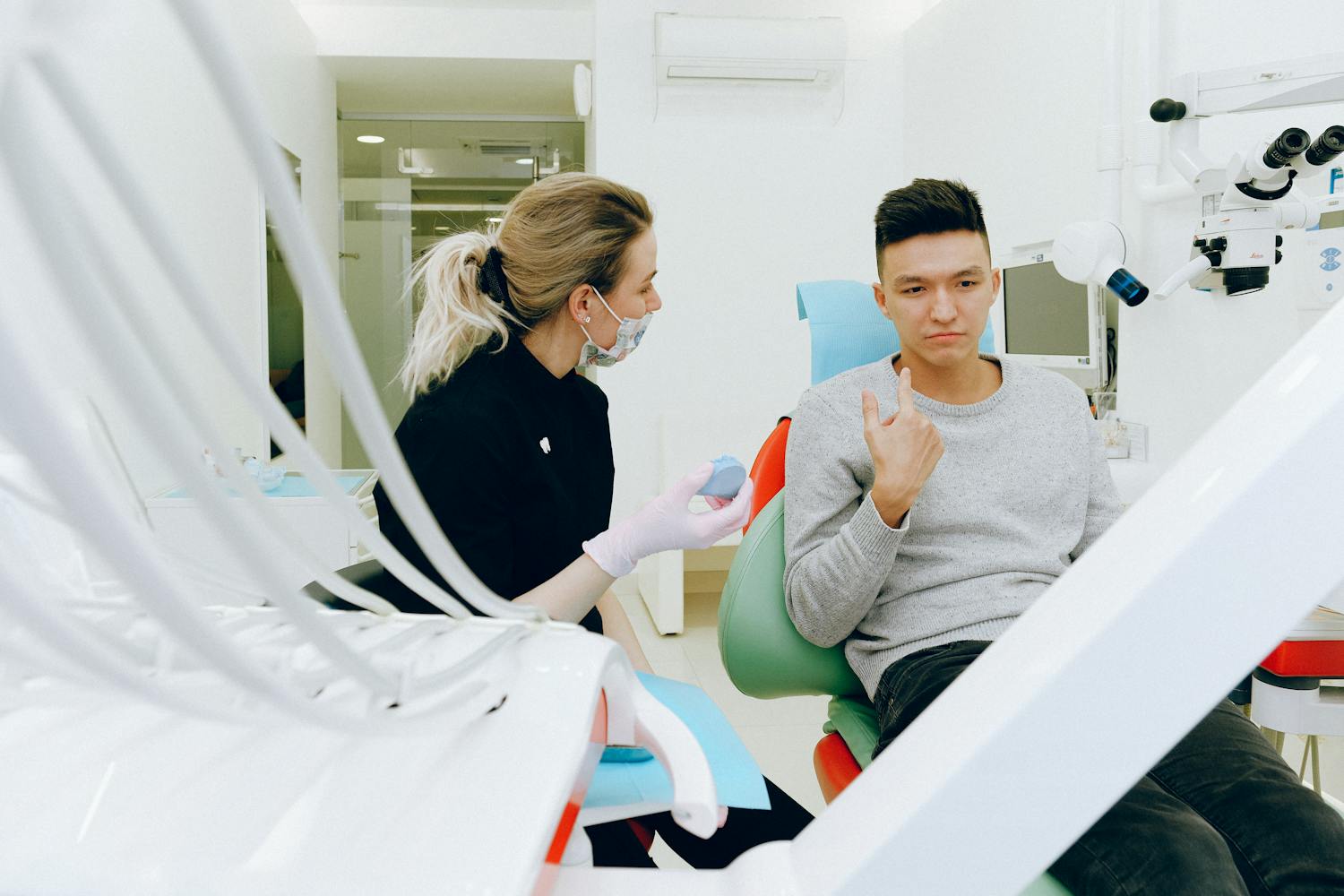
Modern dental office
Complete 2025 Guide

PPC for Dentists: A Smart Path to Steady, High-Quality Patients

15 min read
Updated 2025

Running a dental practice means balancing clinical excellence with constant demand for new patients. Word-of-mouth and referrals help, but they rarely provide steady volume. Paid search, built on strategy and patient psychology, connects your practice with people who are actively searching and ready to schedule. It creates opportunity on demand.

PPC for dentists is not about chasing clicks. It is about showing up at the right moment, in front of the right patients, and guiding them toward your chair with a clear and trustworthy experience.

Whether you are filling last-minute schedule gaps, growing a new location, or expanding services like implants or Invisalign, a well-built PPC strategy helps you generate consistent opportunities and predictable growth.

In this guide, we will break down the foundations of PPC for dental practices, the mistakes to avoid, and the approach that turns traffic into real patient connections and long-term value.

What PPC Means for Dental Practices

PPC, or pay-per-click advertising, is a model where your practice only pays when someone interacts with your ad. Instead of waiting for potential patients to find you through word-of-mouth or organic search, PPC positions your practice directly in front of people who are already looking for dental care.

For dentists, PPC typically includes:

  • Google Search Ads for high-intent appointment seekers
  • Google Local Services Ads for phone-call-driven bookings
  • Targeted follow-up campaigns that reconnect with interested patients

PPC works especially well in dentistry because patients often start their provider search online, with clear intent and urgency.

Someone searching "dentist near me," "Invisalign consult," or "emergency tooth pain dentist" is not browsing. They are trying to solve a problem and make a decision.

PPC helps your practice appear at that exact moment, making it easier for patients to choose you instead of scrolling through pages of results.

When someone is searching for a dentist, timing defines the outcome. PPC puts your practice in the right place at the right moment, so motivated patients choose you first.
Why PPC Works Especially Well in Dentistry

Patients often search for a dentist when they are ready to make a decision. PPC gives your practice the opportunity to meet them at that moment and turn intent into action.

Patients Search With Purpose

Dental searches usually come from a real need, not casual browsing.

Examples include:

  • Toothache or emergency pain
  • Interest in Invisalign or cosmetic dentistry
  • Concern about a chipped or cracked tooth
  • A routine cleaning with a provider close to home

These searchers are prepared to book if they find a trustworthy match.

High-Value Treatments Benefit From Precision

Services like implants, veneers, and orthodontics carry strong lifetime value. PPC helps you highlight these offerings and connect with patients who are actively considering treatment.

A single booked case often becomes a long-term patient relationship and a family referral chain. PPC gives you access to high-value moments that compound over time.

Local Targeting Drives Qualified Traffic

People want dental care near where they live or work.

PPC allows you to focus on:

  • Specific neighborhoods
  • ZIP codes
  • Certain mile-radius areas around the practice

Your budget goes toward attracting patients who can actually walk through your door, not broad impressions with limited return.

Core PPC Strategies for Dentists

A strong PPC approach is built on clarity, targeting, and intentional patient flow. Each campaign type plays a specific role in bringing qualified patients into the practice.

Search Campaigns: Capture Patient Intent

Google Search Ads allow you to reach patients who are actively looking for a dentist. These searches often echo real needs:

  • "dentist near me"
  • "emergency dentist open today"
  • "Invisalign consultation"
  • "dental implants cost"
  • "family dentist for kids"

When someone types these terms, they are ready to find a provider. Search campaigns place your practice in the decision zone: where patients commit, call, and schedule.

Local Services Ads: Phone Call Priority

Local Services Ads (LSAs) appear above search results and connect patients directly to your office by phone. These ads are especially powerful when:

  • You need urgent appointment bookings
  • Your practice relies on live scheduling
  • You offer emergency care or same-day visits

LSAs reward practices with strong reviews and fast response times, which makes reputation and front-desk readiness important.

Retargeting and Follow-Up

Not every prospective patient books on their first visit to your site. Retargeting helps your practice stay visible to people who showed interest but did not schedule right away.

This approach works well for:

  • Cosmetic leads comparing providers
  • Patients researching implant treatment
  • People who started a form but did not complete it
  • Visitors reading multiple pages on your website

Staying present helps turn curiosity into appointments.

What Makes Dental PPC Successful

Running PPC is not only about getting clicks. Success comes from aligning the right audience, the right message, and a smooth path to book an appointment. When these pieces align, PPC becomes a consistent driver of new patient flow rather than a campaign you 'try and hope works.' It turns demand into booked care.

Targeting With Intention

Effective PPC campaigns focus on the patients you want most, not anyone searching for a dentist. Clear keyword themes, local radius targeting, and negative keywords help ensure your budget goes toward real opportunities.

Messaging That Reflects Patient Priorities

Strong ads speak to what matters to patients: convenience, comfort, trust, and treatment expertise. Simple and reassuring language performs better than heavy technical detail. Patients want to feel confident and cared for before they even click.

Fast, Frictionless Scheduling

Once someone clicks, they should find:

  • A clear call to book
  • Easy phone access
  • Online scheduling if available
  • A landing page built around trust and comfort

Speed matters. A friendly voice and a quick response often turn interest into appointments.

Consistent Tracking and Optimization

PPC improves over time with the right feedback loops. Tracking calls, form submissions, cost per appointment, and lead quality helps refine campaigns and maximize returns month after month.

Many dental teams do not have time to monitor PPC performance closely. This is where having an experienced partner like 1flowww can help build a steady new-patient pipeline and fine-tune results as your practice grows.

Common PPC Mistakes Dentists Should Avoid

PPC can deliver strong results for dental practices, but the wrong setup can lead to wasted budget and inconsistent patient flow. Being aware of the most frequent pitfalls helps you stay ahead and protect your investment.

01

Sending Ads to a Generic Homepage

A homepage tries to do too many things at once. Patients need a focused path to book, so campaigns should point to a page built for conversion with clear guidance, trust markers, and simple next steps.

02

Targeting Too Broad an Audience

Serving ads across an entire city or region often means paying for clicks from people who are unlikely to visit your location. Tight radius targeting and carefully selected keywords usually create better results and better patient quality.

03

Ignoring Mobile Experience

Most dental searches happen on mobile. If a website loads slowly, requires zooming, or feels hard to navigate on a phone, potential patients leave quickly. Smooth mobile flow equals more booked appointments.

04

Slow Follow Up on Leads

Many practices lose leads simply because no one calls back quickly. Responding within minutes, rather than hours, creates trust and significantly increases booking rates.

05

No Negative Keywords

Without negative keywords, your campaign may attract irrelevant searches, such as requests for low-cost clinics, free services, or DIY dental advice. A disciplined negative-keyword strategy keeps your budget focused on real patients, not noise.

06

Set It and Forget It

PPC is not a one-time setup. It benefits from ongoing review, thoughtful adjustments, and steady attention to performance data. Regular refinement supports long-term efficiency and growth.

PPC Budget Guidance for Dental Clinics

A realistic budget helps a PPC campaign build momentum and generate consistent results. Underfunding leads to slow data collection and unpredictable outcomes, while a structured budget allows your practice to learn, refine, and scale confidently.

Even a highly skilled campaign needs enough volume to gather performance insights and reach motivated patients. PPC works best when it supports a growth system. Consistent investment builds data, insight, and predictable results — not one-off spikes.

Typical Cost Benchmarks in Dental PPC

Recent industry data gives us a clear view of average advertising economics for dentists:

PPC MetricAverage Benchmark
Cost per click (CPC)~$7.85 per click
Conversion rate~9.08% of clicks convert to leads
Cost per lead (CPL)~$65 per lead

These benchmarks provide a useful foundation for planning and evaluation, though results can vary based on location, competition level, landing experience, and front-desk responsiveness.

What This Means in Practice

For many single-location dental offices, a starting monthly PPC budget often falls in the $2,000 to $6,000 range. This level of investment typically allows for meaningful volume while maintaining control over ad spend and lead quality.

High-value services such as dental implants, Invisalign, cosmetic dentistry, and same-day emergency care may require higher bids and budgets, but they also deliver higher lifetime value. A single booked case in these categories can offset advertising costs for the month.

The Real Goal: Cost per Booked Appointment, Not Cost per Click

Clicks do not fill schedules. Appointments and completed treatment plans do.

Strong PPC performance aligns with:

  • Healthy cost per lead
  • A steady lead flow
  • Fast patient follow-up
  • Accurate tracking
  • Consistent conversion to appointments

When these elements are in place, PPC becomes one of the most reliable and scalable sources of new patients for dental practices.

PPC and Patient Experience Work Together

Strong PPC performance brings patients to your door, but the experience they receive determines whether they book, return, and recommend your practice.

A warm first call, convenient scheduling, clear communication, and a supportive in-office environment turn ad clicks into long-term relationships.

When your team and your marketing move together, PPC stops being advertising and becomes a reliable engine for case acceptance that will be your practice's lifeline for years.

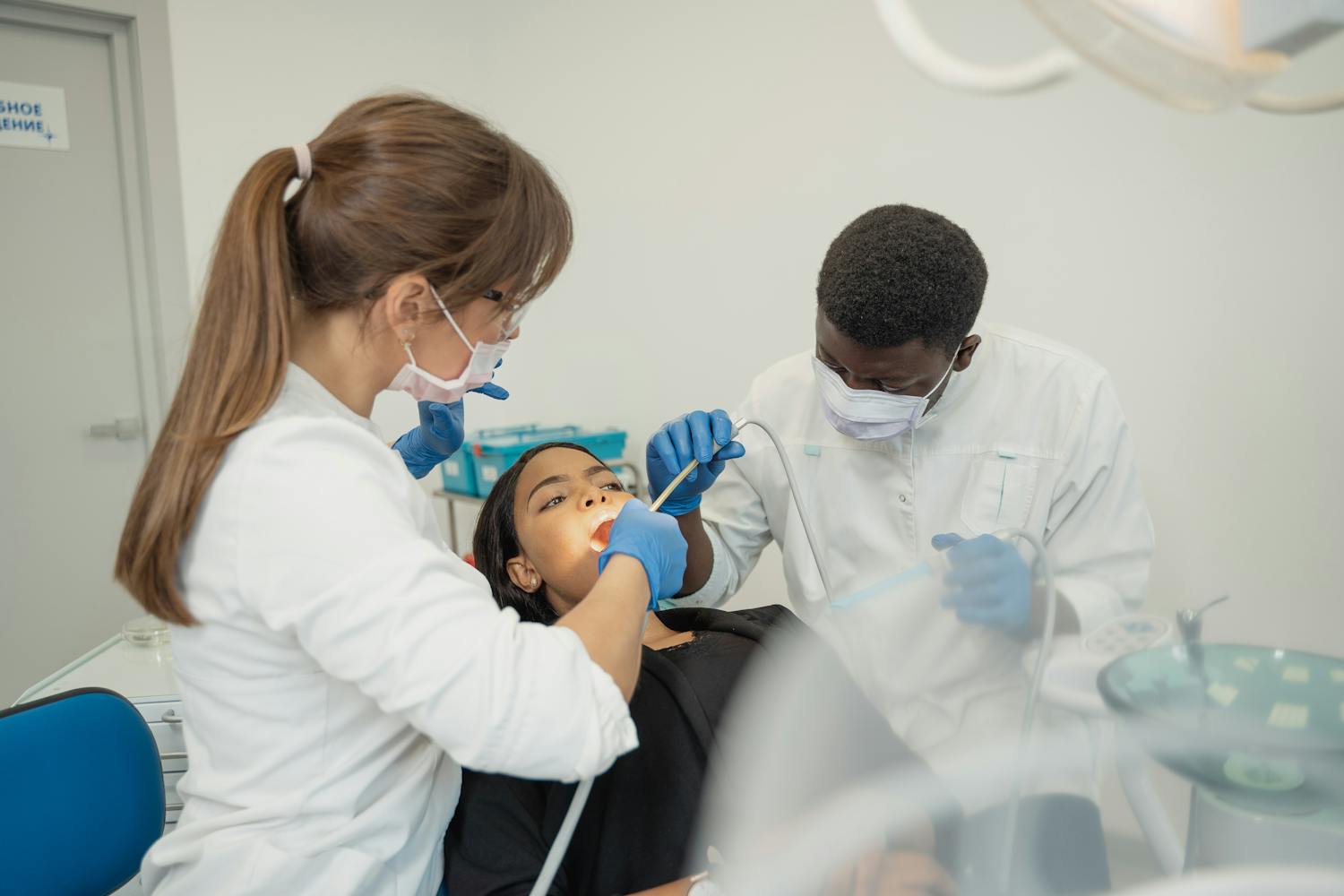
Dental team providing excellent patient care

Frequently Asked Questions About PPC for Dentists

PPC stands for pay-per-click advertising. It is a form of digital marketing where you only pay when someone clicks your ad. For dentists, PPC is most commonly used on Google to appear when patients search for services like "dentist near me," "emergency dentist," or "Invisalign consultation."

Yes. PPC is one of the fastest and most predictable ways to generate new patient appointments, especially for high-value treatments like implants, Invisalign, cosmetic dentistry, and emergency visits. Results depend on strategy, landing page quality, and follow-up speed.

Budgets vary by market, but many single-location practices see meaningful traction in the $2,000 to $6,000 per month range. Higher budgets are often used for competitive metro areas or premium services like implants or full-arch cases.

PPC can begin driving leads quickly, often within the first week. Consistent optimization over 60 to 90 days helps improve lead quality, lower cost per acquisition, and build predictable performance.

Yes. Smaller practices often scale faster with PPC because they can focus attention, track results closely, and respond to leads quickly. A focused, well-structured campaign performs better than broad or generic ads.

A focused landing page helps significantly. It guides potential patients to book rather than browse. Strong landing pages include trust signals, patient-friendly language, online scheduling or click-to-call, and fast load speed on mobile.

Absolutely. Searchers for these treatments often have clear intent and are actively comparing providers. PPC lets your practice appear at the key decision moment, making it easier to earn consultations for elective and specialty care.

Lead conversion drops sharply. Rapid response is crucial. Many successful dental teams use call alerts, workflows, or automated text follow-ups to maximize appointments from PPC leads.

A Smarter Way to Drive Patient Growth

PPC gives dental practices a reliable way to reach people who are actively searching for care and ready to schedule. When campaigns are structured thoughtfully, paired with strong patient experience, and supported by fast follow-up, PPC becomes more than an ad channel. It becomes a predictable source of new patients and long-term treatment opportunities.

With clarity in targeting, a polished landing experience, and consistent tracking, practices can attract high-quality patients, stabilize monthly demand, and grow confidently instead of hoping referrals and walk-ins stay steady.

If your goal is to increase patient flow, expand high-value services, or support a new location, PPC can play a core role in your growth plan.

Ready to build a dependable patient acquisition engine?

If you want PPC that feels strategic and creates real momentum, 1flowww can help you build a system that delivers consistent leads and appointments, not guesswork or lucky streaks.

Reach out for a strategy conversation and let's plan sustainable, patient-focused growth together.